One of the most common calls we get goes something like this: "My house looks bad — do I need to paint it?" Sometimes the answer is yes. But often, what looks like a paint problem is actually a maintenance problem, and painting over it without addressing the underlying issue will just create a more expensive problem down the road.
Understanding the difference between a home that needs cleaning and a home that needs painting can save you a significant amount of time and money — and help you make the right decision for your specific situation.
What Cleaning Can Fix
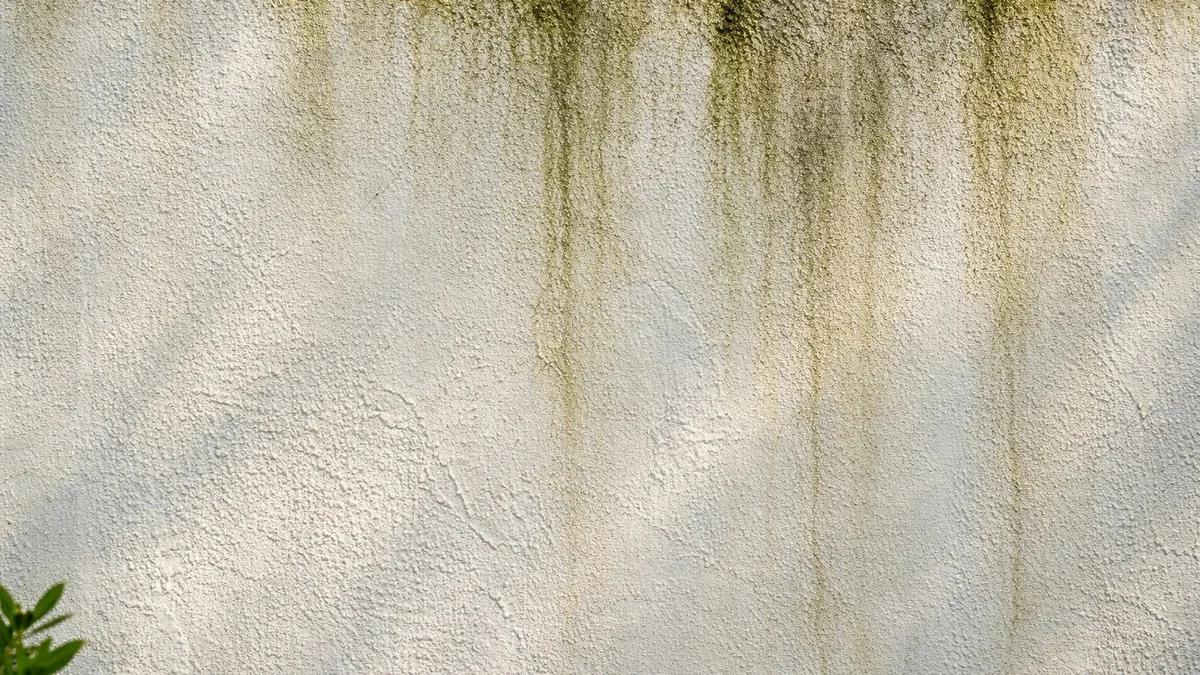
South Florida's humidity and warmth create ideal conditions for mold, mildew, algae, and general biological growth on exterior surfaces. These organisms attach to paint film and stucco and can make a home look dramatically worse than it actually is. The green and black streaking you see running down exterior walls is almost always biological growth — not paint failure.
If your exterior paint is otherwise intact — no peeling, no cracking, no chalking — a thorough soft wash or pressure wash with the appropriate cleaning agents can restore the appearance significantly. Many homes that look like they urgently need repainting simply haven't been properly cleaned in a few years.
Cleaning is also a necessary first step before any exterior painting project. Painting over biological growth without treating it first will cause the new paint to fail prematurely — the mold continues to grow beneath the surface and breaks down the coating from underneath.
Signs Your Home Needs More Than Cleaning
There are specific conditions that indicate cleaning alone won't be enough. These are signs that the paint film itself has reached the end of its useful life — or that underlying issues have developed that need to be addressed before new paint goes on:
Chalking
Run your hand across your exterior wall. If it comes away with a white powdery residue, that's chalking — the paint film is breaking down from UV exposure. A chalking surface needs to be properly cleaned and primed before repainting; you can't simply apply new paint over it and expect it to bond correctly.
Peeling or Flaking
Paint that is peeling, bubbling, or flaking away from the surface is a sign of adhesion failure. This can happen from moisture trapped beneath the paint, inadequate surface prep during the last paint job, or paint applied over a surface that wasn't properly primed. Cleaning won't fix this — the failed paint needs to be removed and the surface properly prepared before recoating.
Fading Beyond Cleaning
Biological growth can be cleaned off. True UV fading — where the pigment in the paint itself has been broken down by sun exposure — cannot be restored by cleaning. If your walls look washed out or have lost significant color depth even after a thorough wash, the paint film has been depleted and it's time to repaint.
Hairline Cracks in Stucco
Small cracks in stucco are a normal result of the thermal expansion and contraction that happens in South Florida's climate. These cracks aren't a paint problem — they're a substrate problem. They need to be properly caulked or patched before painting. Left open, they become entry points for moisture, which leads to more significant damage over time.
Failed Caulking
Caulk around windows, doors, and other wall penetrations has a limited lifespan. When it starts to crack, shrink, or pull away from the surface, it allows moisture to enter. This is one of the most important maintenance items on any exterior — and it needs to be addressed whether you're painting or not.
A useful rule of thumb: If the paint film is intact and the surface issues are biological, start with a thorough cleaning. If you're seeing physical failure of the paint or stucco — peeling, chalking, cracking — it's time to think about repainting with proper prep work.
If you're still unsure what you're looking at, our post on exterior paint lifespan in South Florida breaks down the specific conditions that determine when a paint job has actually run its course. And if your assessment turns up cracking, holes, or surface damage that needs repair before painting, our post on drywall repair in South Florida covers what that process involves. When you're ready to think about scope and cost, our guide on exterior painting cost in Palm Beach County explains what goes into an honest estimate.
The Risk of Painting Too Soon
There's also a scenario worth mentioning: painting a home that genuinely just needed cleaning. Applying new paint over a surface with active biological growth, without treating it first, traps moisture and organic material beneath the new coating. The result is new paint that fails well before it should — and a more expensive repair than if you'd simply cleaned the surface and waited.
If your home's paint is otherwise in good condition, getting it professionally cleaned and then reassessing in a year or two is often the smarter financial decision. A good exterior wash, done correctly, can extend the life of your existing paint and restore your home's appearance significantly.
When to Call for an Assessment
If you're genuinely unsure what your home needs, the most straightforward answer is to have a contractor walk the exterior with you. We can identify which conditions are cleaning issues, which are maintenance issues, and which indicate that repainting is the right next step — and give you an honest recommendation rather than defaulting to a paint job when one isn't needed yet.
Our exterior painting service always begins with a thorough assessment of your home's current condition. If we don't think you need to paint yet, we'll tell you that.